
What Are the Differences Between Flat Feet and a High Arch?
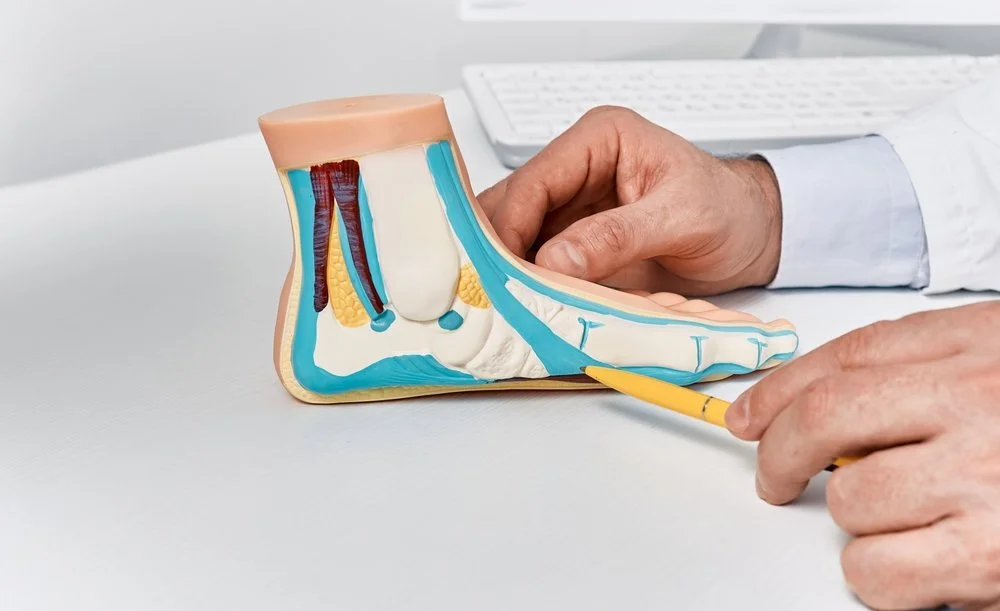
Our feet are the foundation for everything we do — walking, running, standing, and balancing. Yet many of us don’t realise just how much our arch shape influences the way our body moves. When comparing flat feet vs high arches, the differences go far beyond appearance and can significantly affect comfort, movement efficiency, and long-term foot health.
Two of the most common foot types are flat feet and high arches, and while they may seem like simple structural variations, each comes with its own set of mechanics, strengths, and potential challenges.
Understanding the differences between flat feet vs high arches can make a world of difference to daily comfort, sporting performance, and injury prevention. Let’s break it down in a way that’s clear, relatable, and backed by modern podiatry research.
What Are Flat Feet?
Flat feet (or pes planus) occur when the inner arch of the foot sits lower than usual or collapses when weight is placed on it. In simple terms, more of your foot touches the ground. When discussing flat feet vs high arches, flat feet are known for being more flexible and mobile.
Some people are born with flat feet, while others develop them over time due to muscle weakness, ligament laxity, injury, or age-related changes.
Common Characteristics of Flat Feet
The arch looks low or disappears when standing.
Feet may roll inward (pronate) during walking.
Shoes often show wear on the inside edge.
Legs may feel fatigued or achy after long periods on your feet.
Why This Happens
The foot arch is supported by muscles, tendons, and ligaments. When these structures weaken or become strained — especially the tibialis posterior tendon — the arch can gradually lower. Genetics also play a strong role, with many children naturally outgrowing flat feet as their arches mature.
What Are High Arches?
High arches (or pes cavus) sit at the opposite end of the spectrum when comparing flat feet vs high arches. In this case, the arch remains noticeably raised even when standing, creating a visible gap under the mid-foot.
Rather than rolling inward, high-arched feet tend to roll outward (supination), placing increased pressure on specific areas of the foot.
Common Characteristics of High Arches
A deep arch gap when standing.
Pressure concentrated on the heel and ball of the foot.
Harder, tighter foot muscles.
Higher risk of stress-type injuries.
Why This Happens
High arches may be inherited, but they can also be associated with neurological or muscular conditions if the arch becomes increasingly rigid over time. Rigid arches reduce the foot’s natural shock-absorbing ability — which is why discomfort or instability is common.
How Flat Feet and High Arches Change the Way You Move
Your arch controls the foot’s ability to absorb impact, stabilise the body, and distribute weight. Because flat feet and high arches sit at opposite ends of the spectrum, they influence movement in very different ways.
1. Shock Absorption
Flat feet: More flexible and absorb shock well, but may over-flex, putting extra strain on muscles higher up the leg.
High arches: More rigid, absorbing less shock and sending more impact up through the knees, hips, and lower back.
2. Muscle Function & Fatigue
Research into foot posture has shown that different arch shapes recruit different muscles during walking.
People with flat feet tend to work harder through the muscles that stabilise the arch, leading to fatigue or overuse.
Those with high arches may experience tension in the calves and forefoot due to the increased stiffness and pressure imbalance.
3. Weight Distribution
Flat feet: Weight spreads across a larger surface area, which can be good — but excessive inward rolling may place stress on joints.
High arches: Pressure is concentrated on the heel and forefoot, increasing risk of calluses, metatarsalgia, plantar fasciitis, or ankle sprains.
4. Stability
Flat feet can feel less stable, especially on uneven surfaces, due to rolling inwards.
High arches can feel unstable for the opposite reason — rolling outward is common, especially in sports.
Symptoms You Might Notice
Not all flat or high-arched feet cause pain. Many people live comfortably with both conditions. But if symptoms do occur, they often include:
For Flat Feet
Arch or inner foot pain
Shin splints
Knee discomfort
Fatigue with long walking or standing
For High Arches
Heel pain
Ball-of-foot pain
Frequent ankle rolling
Tight calves
These symptoms highlight why understanding flat feet vs high arches is important for preventing long-term issues.
Are Flat Feet or High Arches Dangerous?
Not inherently — but they can contribute to long-term issues if left unsupported.
For example:
Flat feet may contribute to knee alignment changes.
High arches may lead to stress fractures due to rigid loading.
Tight or weak supporting structures may eventually cause heel pain or tendon issues.
Identifying your foot type early helps you make better choices in footwear, insoles, activities, and preventative care.
How to Check Your Arch at Home
If you’re curious about your foot type, here are simple steps:
1. The Wet Foot Test
Wet your foot, step onto a dry surface (like a cardboard sheet), and observe the imprint:
A full imprint → likely flat feet.
A narrow mid-foot imprint → likely high arch.
A moderate imprint → neutral arch.
2. Look at Your Shoes
Worn inside edges → flatter feet or pronation.
Worn outside edges → high arches or supination.
3. Do You Feel the Arch When You Lift Your Foot?
If your arch reappears when lifting your foot, you likely have flexible flat feet, which respond well to strengthening.
Support Options for Each Foot Type
For Flat Feet
Supportive footwear with good arch structure
Strength exercises for arch muscles
Stretching tight calf muscles
Orthotics to prevent excessive inward rolling
For High Arches
Cushioned footwear to absorb shock
Orthotics with deep heel cups
Stretching routines for calves and plantar fascia
Strength training for ankle stability
Custom insoles or podiatry care can make a dramatic difference in comfort and injury prevention.
Final Thoughts
Flat feet and high arches are simply variations of foot structure — not conditions to fear. What matters most is recognising how your arches influence the way you move so you can support them properly. With the right footwear, strengthening, and professional guidance, most people can continue living comfortably and actively no matter their arch type.
How Podhills Podiatry Helps You Find the Right Support in Sydney
At Podhills Podiatry, we take the time to understand how your feet function. Through detailed foot assessments and gait analysis, our experienced Sydney podiatrists create personalised treatment plans tailored to your arch type — whether you have flat feet or high arches. From custom orthotics and footwear guidance to hands-on podiatry care, our goal is to reduce pain, improve movement, and protect your long-term foot health.
If you’re experiencing discomfort or need expert advice on flat feet vs high arches, don’t wait for the problem to worsen. Book an appointment with Podhills Podiatry today and take the first step towards stronger, more comfortable feet with professional support you can trust.
FAQs
-
The main difference between flat feet vs high arches lies in how the foot absorbs impact and distributes weight. Flat feet have a lower or collapsed arch that allows more of the foot to contact the ground, often leading to inward rolling. High arches, on the other hand, have a raised and rigid arch that places more pressure on the heel and ball of the foot, reducing shock absorption. Both foot types can function well with the right support and care.
-
Yes, both flat feet and high arches can contribute to foot, ankle, knee, or leg pain if not properly supported. Flat feet may lead to overuse of muscles and joints due to excessive pronation, while high arches can cause pressure-related pain because the foot absorbs less shock. Understanding flat feet vs high arches helps identify the right treatment approach to reduce discomfort and prevent long-term issues.
-
You can get an initial idea of your foot type by looking at your footprint or checking shoe wear patterns, but the most accurate way is through a professional foot assessment. A podiatrist can assess how your feet function during walking and standing, helping determine whether you fall into the flat feet vs high arches category and whether treatment or support is needed.
-
Not everyone with flat feet or high arches needs orthotics, but supportive footwear or custom insoles can significantly improve comfort and stability. Orthotics are commonly recommended when symptoms such as pain, fatigue, or instability occur. A podiatrist can assess your needs and recommend the most suitable support based on flat feet vs high arches and your lifestyle.