
Plantar Fasciitis Treatment Sydney
Expert Plantar Fasciitis Treatment Clinic in Sydney
Are you struggling with stabbing heel pain every morning? Does every step feel like walking on glass? You're not alone. Plantar fasciitis affects thousands of Australians, but the good news is that relief is within reach.
At Podhills Podiatry, our experienced podiatrists specialise in treating plantar fasciitis with advanced, evidence-based therapies. From therapies to custom orthotics, we offer comprehensive solutions tailored to your unique needs.
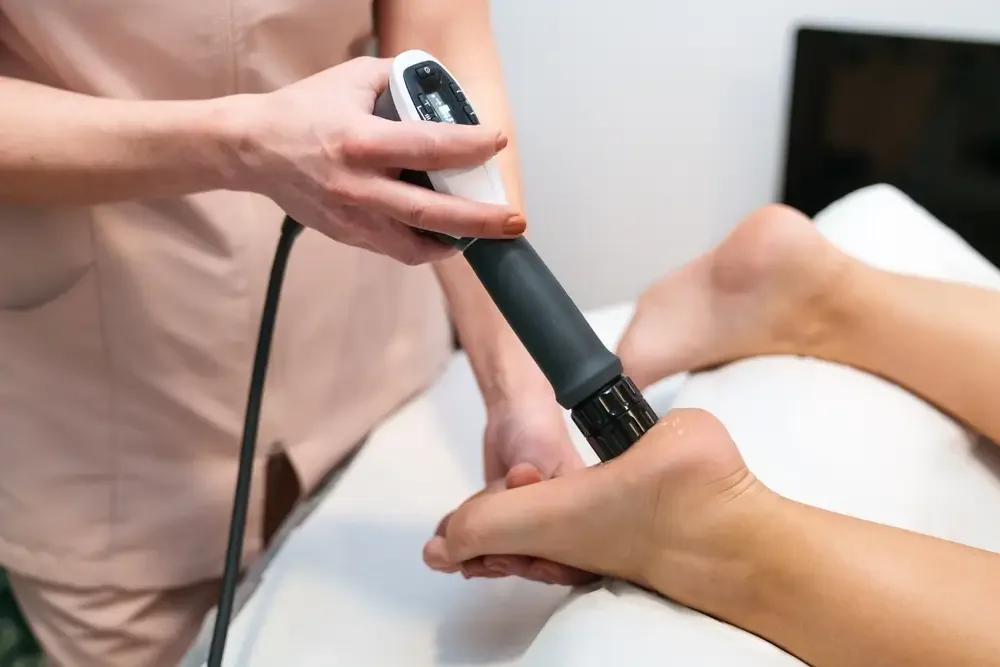
UNDERSTANDING PLANTAR FASCIITIS
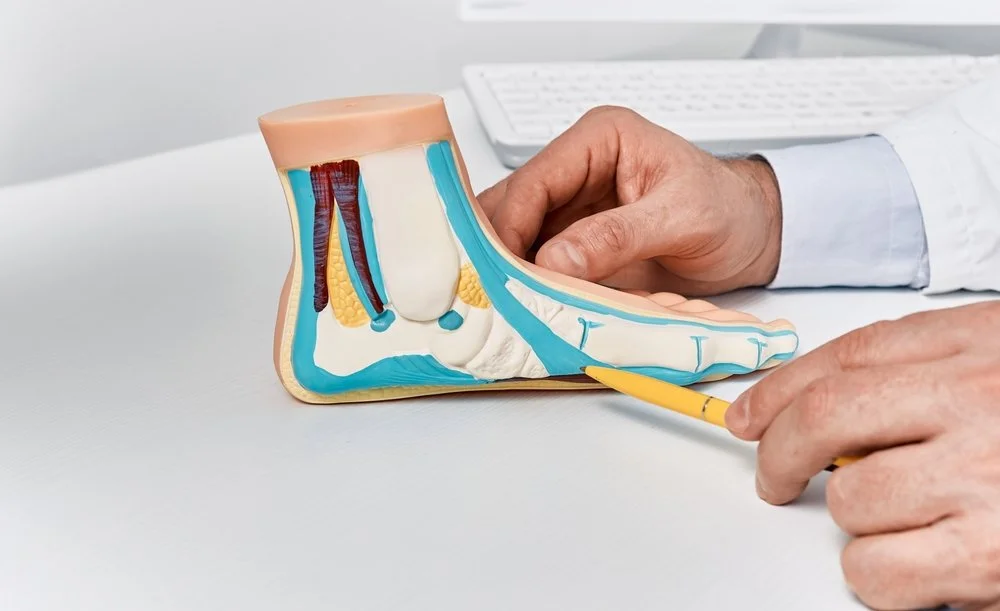
Plantar fasciitis is one of the most common causes of heel pain. It occurs when the plantar fascia—a thick band of tissue that runs along the bottom of your foot connecting your heel to your toes, becomes inflamed or develops small tears.
At Podhills Podiatry, we understand how this condition can impact every aspect of your life. That's why we're committed to providing fast, effective relief so you can get back to doing what you love.
Common Causes of Plantar Fasciitis
Understanding what triggers plantar fasciitis helps us create the most effective treatment plan for your recovery. Here are the most common causes:
Overuse and Repetitive Stress
Running, walking long distances, or spending hours on hard surfaces can strain your plantar fascia. This repetitive stress creates micro-tears that lead to inflammation and pain.Poor Footwear Choices
Shoes without proper arch support or cushioning put extra stress on your plantar fascia. Worn-out athletic shoes or flat-soled shoes are common culprits. High heels can also contribute to the problem.Foot Mechanics and Structure
Flat feet, high arches, or abnormal walking patterns can affect how weight is distributed across your foot. This uneven distribution places additional strain on the plantar fascia.Weight-Related Factors
Extra body weight increases the stress on your plantar fascia. Even a small weight gain can trigger symptoms or make existing pain worse.Age-Related Changes
As we age, the plantar fascia becomes less flexible and the protective fat pad on our heels thins. This natural aging process makes the tissue more vulnerable to injury.Occupational Hazards
Jobs that require prolonged standing or walking on hard surfaces—like teaching, factory work, or retail—significantly increase your risk of developing plantar fasciitis.Sudden Activity Increases
Starting a new exercise program or dramatically increasing your activity level without proper preparation can overload your plantar fascia. The "too much, too soon" approach often backfires.
Understanding your specific risk factors allows us to address the root cause, not just mask the symptoms. This comprehensive approach leads to lasting relief and prevents recurrence.
Recognising Plantar Fasciitis Symptoms
Identifying plantar fasciitis early means faster treatment and quicker recovery. Here are the telltale signs:
Sharp Heel Pain
The most common symptom is a stabbing pain in the bottom of your foot near the heel. This pain is typically most severe with your first steps in the morning.
Pain After Rest
You might notice increased pain after sitting or lying down for extended periods. When you stand up and start walking, the pain can be intense for the first few minutes.
Specific Pain Location
The pain usually concentrates on the bottom of your foot, just in front of your heel bone. Sometimes it radiates into the arch of your foot.
Pain Patterns
Interestingly, the pain often decreases during activity but returns after you finish exercising. You might feel fine during your run but experience significant pain afterwards.
Stiffness and Reduced Flexibility
Your foot and ankle may feel stiff, especially in the morning. You might notice reduced flexibility when trying to point your toes upward.
Difficulty with Stairs
Climbing stairs can be particularly painful because it requires you to push off with your toes, stretching the already-irritated plantar fascia.
Does this sound familiar? You're not alone. Plantar fasciitis affects millions of people every year, and we can help.
Don't wait for the pain to worsen. Early intervention leads to faster recovery. If you're experiencing these symptoms, it's time to seek professional treatment. The sooner we address your heel pain, the sooner you'll find relief.
Best Treatment Options for Plantar Fasciitis at Podhills Podiatry
We offer proven best treatment of plantar fasciitis options tailored to you. Here are the most effective treatments at our Sydney clinic:
1. Custom Orthotics
Custom orthotics are prescription inserts designed for your unique feet—a key part of the best treatment for plantar fasciitis. Provide arch support, cushion pressure points, and correct foot mechanics. Made using digital foot scans for a perfect fit.
2. Stretching & Exercise Programs
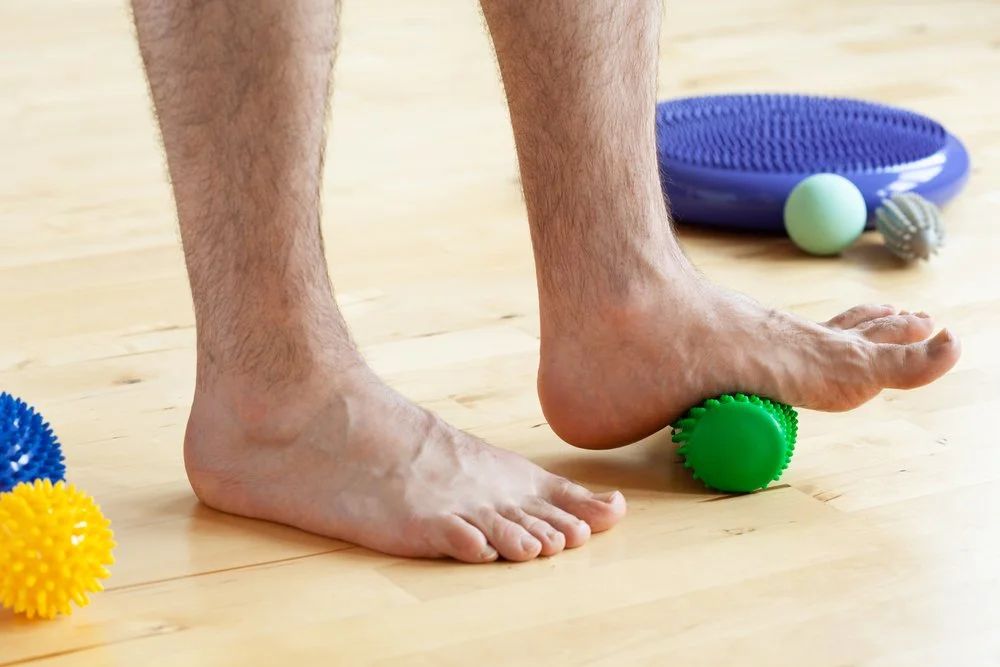
Daily stretches and exercises are essential for effective medical treatment for plantar fasciitis. Simple stretches for your plantar fascia and calf muscles. Strengthening exercises for the foot and ankle. Takes just 10-15 minutes daily at home.
4. Footwear Guidance
The right shoes are crucial for recovery. We'll analyse your current shoes and recommend better options. Proper footwear includes good arch support, heel cushioning, and proper fit. Good shoes can dramatically speed your recovery.
3. Anti-Inflammatory Care
We offer multiple ways to reduce pain and inflammation:
Professional taping and strapping
Ice therapy techniques
Lifestyle adjustments
Activity modifications
How Long Does Plantar Fasciitis Take to Heal?
One of the most common questions we hear is: "How long until I'm pain-free?" The honest answer is that recovery time varies from person to person.
Typical Recovery Timeline
Mild Cases (Caught Early): 3 to 6 weeks with proper treatment
If you seek treatment at the first sign of heel pain, you have the best chance for rapid recovery. Early intervention is key to preventing the condition from becoming chronic.
Moderate Cases: 6 to 12 weeks
Most plantar fasciitis cases fall into this category. You'll likely need a combination of treatments for optimal results. Consistent adherence to your treatment plan significantly impacts how quickly you heal.
Chronic or Severe Cases: 3 to 6 months
If you've been dealing with heel pain for many months before seeking treatment, recovery takes longer. Advanced treatments like therapy are often needed for these stubborn cases. The good news is that even chronic plantar fasciitis responds well to proper treatment. Surgery is rarely required; less than 5 percent of cases need surgical intervention.
Why Choose Podhills Podiatry for Plantar Fasciitis Treatment in Sydney?
Choosing the right podiatry clinic makes all the difference in your recovery. Here's what sets Podhills Podiatry apart:
Experienced Podiatry Specialists: Our team brings years of specialised experience in treating foot and ankle conditions. We've successfully helped hundreds of patients overcome plantar fasciitis and return to pain-free living. Our podiatrists pursue ongoing professional development to stay at the forefront of treatment innovations.
Advanced Treatment Technology: We invest in state-of-the-art equipment to provide you with the most effective treatments available. Our clinic features advanced technology, precision diagnostic tools, and modern treatment facilities designed for your comfort and optimal outcomes.
Convenient Sydney Location: We understand that convenience matters when you're dealing with foot pain. Our Sydney location offers easy access for local residents, flexible appointment scheduling to fit your busy life, and ample parking right at our clinic.
Patient-Centred Care: You're not just a number at Podhills Podiatry. We listen carefully to your concerns and take time to answer all your questions. Every treatment plan is customised to your unique situation. Our compassionate, friendly staff creates a welcoming environment where you feel valued and supported.
Transparent Pricing: We believe in honesty and transparency. You'll know exactly what to expect with no hidden fees or surprise charges. We accept most major health funds and offer HICAPS for on-the-spot claims. Payment plans are available to make quality care accessible to everyone.
When you choose Podhills Podiatry, you're choosing a partner in your recovery journey. We're committed to helping you achieve lasting relief and preventing future foot problems.
What our clients say
Don't Let Plantar Fasciitis Hold You Back Any Longer
Take the first step toward pain-free living today. Our experienced podiatrists in Baulkham Hills, Hills District are ready to create a personalised treatment plan that works specifically for you. Whether you've been dealing with heel pain for a few weeks or several months, we have the expertise, advanced technology, and proven treatments to help you recover. You don't have to live with this pain anymore. Join hundreds of satisfied patients who've found relief at Podhills Podiatry. Your journey to pain-free living starts with one simple call or click.
FAQS
-
Yes! With proper treatment and preventive measures, plantar fasciitis can be fully resolved. The key is addressing the underlying causes—not just the symptoms. Many patients remain pain-free for years after successful treatment. We provide education on prevention strategies to minimise the risk of recurrence.
-
If heel pain persists, limits activity, or affects your daily routine, plantar fasciitis rehabilitation may help improve recovery and prevent symptoms from becoming chronic.
-
Surgery is rarely necessary. Less than 5% of plantar fasciitis cases require surgical intervention. At Podhills Podiatry, we focus on conservative, non-surgical treatments that are highly effective. Surgery is only considered after 6-12 months of conservative treatment without improvement.
-
You can stay active, but modifications may be needed. Low-impact activities like swimming or cycling are usually fine. We'll help you understand which activities to avoid temporarily and when you can safely return to high-impact exercises like running. Continuing gentle movement actually aids healing.
-
For many patients, custom orthotics are life-changing. Unlike over-the-counter inserts, custom orthotics are precisely designed for your unique foot structure. They address the biomechanical issues causing your plantar fasciitis and can prevent future problems. Most patients find them a worthwhile investment in long-term foot health.
Latest Articles


Podiatrist Near Harris Park
The Hills Private Hospital, 3b/497-499 Windsor Rd
Baulkham Hills NSW 2153
Email: hello@podhills.com.au
Call us: (02) 8897 4220